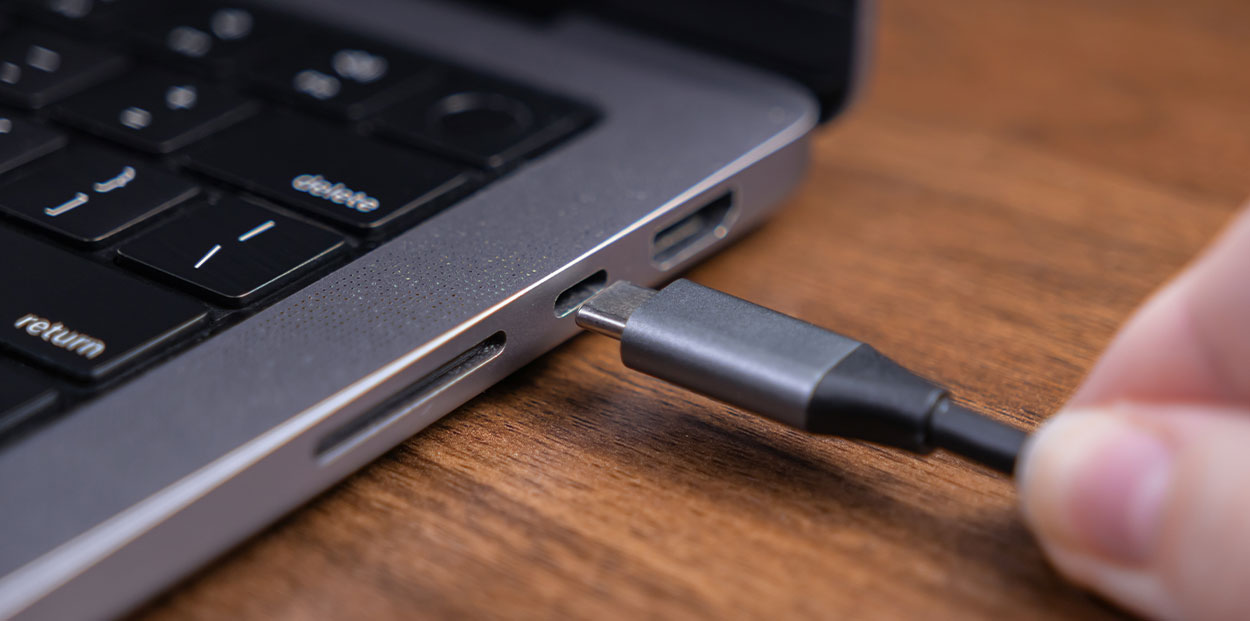
Educational technology has undergone a massive transformation over the last decade. Chromebooks have become the primary workstation for millions of students across the country, serving as the hub for research, creative projects, and standardized testing. As these devices evolve to become thinner and more powerful, the hardware ports on the side of the machine are changing as well. One of the most significant shifts for school IT administrators and teachers to navigate is the transition from the traditional 3.5mm analog headphone jack to the universal USB C port.
The technical advantages of USB C for school environments are substantial. Unlike the traditional round headphone jack, which transmits an analog signal, USB C provides a digital connection. This difference is critical for maintaining audio clarity. Digital audio signals are less susceptible to the static and interference often found in older analog systems. When students are engaged in language learning programs or literacy software, hearing every syllable clearly is vital to their progress. Furthermore, USB C integrated circuits allow for better microphone performance, ensuring that voice recognition software and remote communication tools work correctly the first time.
Practicality is a major concern for any classroom teacher managing thirty students at once. Traditional headphone jacks are prone to mechanical failure. Over time, the internal pins can bend or break, or a student might accidentally snap a connector off inside the port, rendering the audio output useless. USB C connectors are reversible and designed for a high volume of duty cycles. This means students can plug them in quickly without fumbling with the orientation, reducing classroom downtime and troubleshooting. Because modern Chromebooks use this port for charging and data transfer, students are already familiar with the interface, making the transition seamless.
When considering the best equipment for older students or testing environments, portability and comfort are key factors. Many schools are moving away from bulky over ear models in favor of more compact options. If you are looking to upgrade your fleet, high quality school chromebook earbuds provide an excellent balance of sound isolation and ease of storage. These compact audio solutions are perfect for students who need to move between different learning stations or for secondary students who prefer a less intrusive design during long periods of independent study or state testing.
The durability of your technology investment is another factor that school technology coordinators must weigh. Education budgets are often tight, and hardware needs to last for several years. Traditional analog technology is slowly being phased out of consumer electronics, and laptop manufacturers are following suit. By investing in USB C audio solutions now, schools are essentially future proofing their labs. These accessories will remain compatible with future generations of laptops, tablets, and even smartphones, ensuring that the school does not have to replace its entire inventory of peripherals when it refreshes its fleet of Chromebooks.
Beyond the technical specifications, the right audio equipment supports academic achievement by minimizing distractions. Classroom noise can significantly impact a student’s ability to focus on a task. Whether a student is watching an instructional video or participating in a digital music lesson, having a reliable connection ensures they remain immersed in the curriculum. USB C headphones and earbuds provide a consistent, high fidelity experience that allows students to focus on learning rather than struggling with a loose or crackly connection.